
The Hidden Cost of Legacy Software: When to Refactor, Rebuild, or Migrate to the Cloud

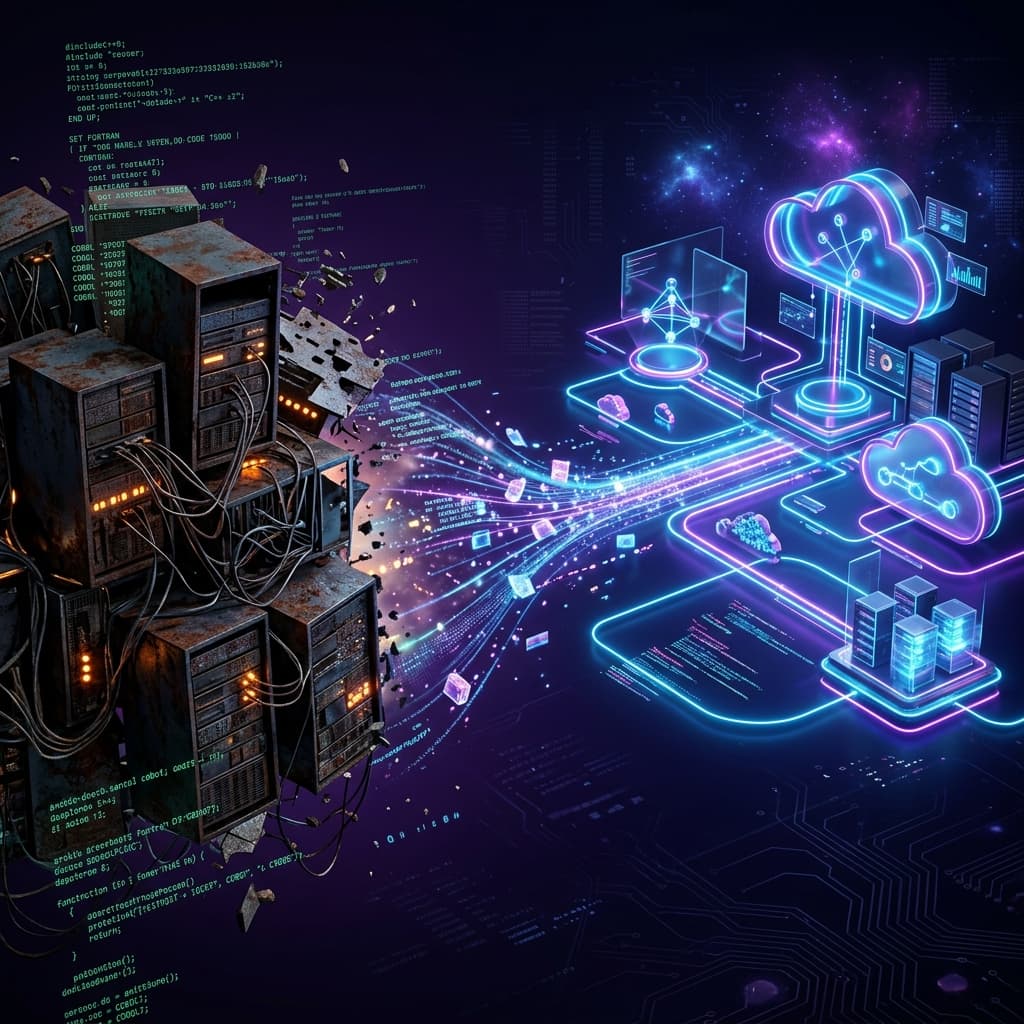
Outdated software silently drains enterprise resources through security vulnerabilities, high maintenance, and developer friction. Learn the exact decision matrix for modernizing your tech stack.
In today's fast-moving digital economy, relying on outdated legacy systems is like driving a high-performance sports car with a decades-old engine. While it may still get you from point A to point B, the maintenance costs are skyrocketing, performance is bottlenecked, and security risks mount with every passing day.
Many enterprises delay software modernization because they fear system downtime or high initial costs. However, maintaining legacy infrastructure is often vastly more expensive than upgrading it. In this guide, we break down the true costs of technical debt and how to decide whether to refactor, rebuild, or migrate to cloud infrastructure.
1. The High Price of Technical Debt and Security Vulnerabilities Legacy platforms are magnet targets for cyber threats. Older codebases frequently rely on deprecated libraries and unpatched dependencies that leave your enterprise exposed to data breaches. Furthermore, legacy systems require specialized, legacy-trained developers who are increasingly hard to hire and retain. Transitioning to modern frameworks through custom enterprise software development ensures long-term stability and rock-solid security.
2. Refactor vs. Rebuild vs. Cloud Migration: The Decision Matrix
- Refactor (Code Optimization): Best when your architecture is sound, but performance is slow due to messy code or inefficient queries.
- Rebuild (Complete Overhaul): Necessary when your core architecture cannot support modern features like real-time analytics, mobile apps, or AI integrations.
- Cloud Migration: Essential if your infrastructure is bound to legacy on-premise servers. Migrating to serverless or microservices architecture via DevOps services delivers 99.99% uptime and effortless auto-scaling.
3. How Modernization Directly Drives Business Growth When you eliminate technical debt, your dev team can ship new features in days instead of months. Page load speeds drop, customer conversion rates increase, and system downtime becomes a thing of the past. Modernizing your tech stack isn't just an IT expense—it's a high-yield growth investment.
Evaluate Your Tech Stack Today Not sure whether your legacy application needs a simple refactor or a complete cloud migration? Talk to our software architects at TechWings Innovations for a comprehensive code audit and modernization roadmap.